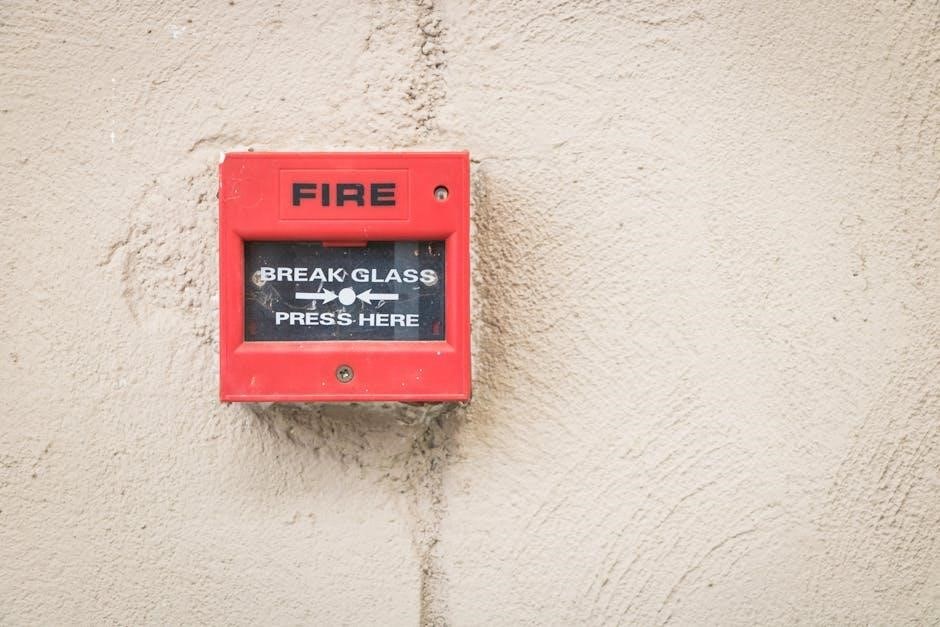
Kidde i12060A Manual: A Comprehensive Guide
This detailed manual provides essential information regarding the Kidde i12060A smoke alarm, covering installation, operation, maintenance, and safety protocols for optimal performance.
The Kidde i12060A is a highly reliable smoke alarm designed to provide early warning of fire hazards, safeguarding lives and property. This alarm is a crucial component of any home safety plan, offering protection against the dangers of smoke and fire. Available for free download from resources like the Internet Archive (manualsbase-id-646844), the comprehensive user manual – P/N 820-0394-EN Rev. G – details everything from installation to troubleshooting.
Understanding the alarm’s features and proper operation, as outlined in the shared documents available at shareddocs.com, is paramount. The i12060A is engineered for dependable performance and ease of use, ensuring peace of mind for homeowners. This guide will walk you through each aspect of the alarm, maximizing its effectiveness and ensuring your family’s safety.
What’s Included in the Box
Upon opening the Kidde i12060A package, you should find the following components. Primarily, the box contains the i12060A smoke alarm unit itself, designed for effective fire detection. A mounting bracket is included, essential for secure and proper installation on either a wall or ceiling. Crucially, the package does not automatically include batteries; battery requirements depend on the specific model configuration.
The most important item accompanying the alarm is the comprehensive user manual (P/N 820-0394-EN Rev. G), downloadable from sources like the Internet Archive and shareddocs.com. This manual provides detailed instructions for installation, operation, and maintenance. Verify all listed components are present before proceeding with installation, referencing the manual for a complete inventory.
Key Features and Benefits
The Kidde i12060A smoke alarm boasts several key features designed for comprehensive fire safety. It offers reliable smoke detection, providing early warning of potential fires, crucial for occupant escape. Interconnect capability allows linking multiple alarms, ensuring simultaneous notification throughout a home – a vital safety enhancement.
This model adheres to NFPA initiating device limits, ensuring compatibility within established fire safety systems. The alarm’s design facilitates easy installation and maintenance, simplifying upkeep. Access to a detailed user manual (P/N 820-0394-EN Rev. G) via Kidde’s website and the Internet Archive provides expert guidance. Ultimately, the i12060A delivers peace of mind through dependable performance and user-friendly operation.
Installation Guide
Proper installation, referencing the user guide and NFPA limits, is crucial for the Kidde i12060A’s effective operation and reliable smoke detection capabilities.
Recommended Mounting Locations
Optimal placement is vital for effective smoke detection. Install the Kidde i12060A on every level of your home, inside and outside of sleeping areas. Mount alarms at least 10 feet away from cooking appliances to minimize false alarms caused by normal cooking fumes. Avoid installing in dusty, dirty, or drafty areas, as these conditions can impair the alarm’s sensitivity.
Ceiling mounting is generally preferred, at least 4 inches from a wall; If wall mounting is necessary, position the alarm 4-12 inches from the ceiling. In rooms with peaked, sloped, or cathedral ceilings, mount the alarm within 3 feet of the peak but at least 4 inches down from it. Never install inside garages or near HVAC vents, as exhaust fumes can cause malfunctions. Carefully consider these guidelines for comprehensive protection.
Wiring Instructions (NFPA Initiating Device Limits)
Proper wiring is crucial for interconnected systems. Refer to the Kidde i12060A manual for compatible models, brands, and devices before initiating any wiring. Adhere strictly to NFPA initiating device limits – typically a maximum of 32 initiating devices per circuit. Ensure all wiring complies with local and national electrical codes.
Use appropriately sized wiring (typically 18 AWG) and connect to a listed smoke detector power supply. When interconnecting, utilize a dedicated neutral wire for each alarm. If a surge protector is installed, it must be on a dedicated 50A breaker, installed by a qualified electrician following manufacturer guidelines. Incorrect wiring can compromise system functionality and safety. Always disconnect power before working with electrical wiring.
Interconnect Compatibility
The Kidde i12060A supports interconnection with other compatible Kidde smoke alarms and some devices from other manufacturers. However, compatibility is not universal. Always consult the user guide supplied with each Kidde product to verify interconnect compatibility before wiring. Interconnection allows all alarms to sound simultaneously upon detecting smoke, providing enhanced notification throughout the property.
Carefully review the list of compatible models to ensure seamless integration. Mixing incompatible devices can lead to system malfunctions. Proper interconnection requires a dedicated neutral wire for each alarm. Incorrectly interconnected alarms may not function as intended, compromising safety. Refer to the wiring instructions for detailed guidance on establishing a reliable interconnected system.
Mounting the Smoke Alarm
Securely mounting the Kidde i12060A is crucial for proper operation. Use the provided mounting bracket and screws to attach the alarm to the ceiling or wall, following the recommended locations outlined in the installation guide. Ensure the mounting surface is solid and can support the alarm’s weight. Avoid mounting near air vents or in areas with high humidity, as this can cause false alarms or malfunction.
Twist the alarm onto the bracket until it clicks into place. Verify a snug fit to prevent accidental dislodging. The alarm should be easily accessible for testing and maintenance. Do not paint or cover the alarm, as this can interfere with its ability to detect smoke. Proper mounting ensures optimal smoke detection and reliable performance.

Operation and Functionality
The Kidde i12060A offers reliable smoke detection, featuring a test button, distinct alarm signals, hush mode for silencing, and interconnected alarm capabilities.
Testing the Smoke Alarm
Regular testing is crucial to ensure your Kidde i12060A smoke alarm is functioning correctly. Press the test button located on the device; this simulates smoke and activates the alarm. Listen for a loud, piercing sound – this confirms the electronic circuitry is operating. Test monthly, and after any battery change or relocation.
If the alarm doesn’t sound upon pressing the test button, immediately troubleshoot. Check the battery (if applicable) and ensure it’s properly installed. If the issue persists, refer to the troubleshooting section of this manual or contact Kidde’s consumer hotline. Never disable the alarm to prevent false alarms; address the underlying cause instead. Consistent testing provides peace of mind and confirms your safety device is ready to protect you and your family.
Understanding Alarm Signals
The Kidde i12060A utilizes distinct alarm signals to indicate different emergency situations. A loud, continuous alarm signifies the detection of smoke, requiring immediate evacuation. Intermittent beeping (typically every 30-60 seconds) often indicates a low battery condition, prompting replacement.
If interconnected with other Kidde alarms, all units will sound when one detects smoke, providing comprehensive notification throughout the home. Familiarize yourself with these signals to react appropriately. Never ignore an alarm, even if you suspect a false alarm; investigate immediately. Understanding the nuances of the alarm’s signals is vital for a swift and safe response to potential fire hazards, ensuring the protection of life and property.
Hush Mode (Silence Temporary Alarms)
The Kidde i12060A features a Hush Mode designed to temporarily silence nuisance alarms caused by cooking smoke or steam. Pressing the Hush button on the alarm will silence it for a pre-determined period, typically around 8-10 minutes.
This feature prevents unnecessary disruption while allowing the alarm to remain sensitive to genuine fire threats. Avoid using Hush Mode to ignore persistent alarms, as this could mask a real emergency. The alarm will automatically reset after the hush period, restoring full smoke detection capabilities. Regularly test the alarm after using Hush Mode to ensure proper functionality. Remember, safety is paramount, and ignoring alarms is never advised.
Interconnected Alarm Functionality
The Kidde i12060A supports interconnection with other compatible Kidde smoke alarms, creating a comprehensive fire safety network. When one alarm detects smoke, all interconnected alarms will sound, alerting occupants throughout the home, even if the fire originates in a remote location.
This feature is particularly beneficial in larger homes or those with multiple levels. Refer to the user guide for a list of compatible models and detailed wiring instructions. Proper interconnection requires adherence to NFPA initiating device limits. Ensure all alarms are wired correctly for reliable operation. Interconnection significantly enhances safety by providing early warning and maximizing evacuation time.
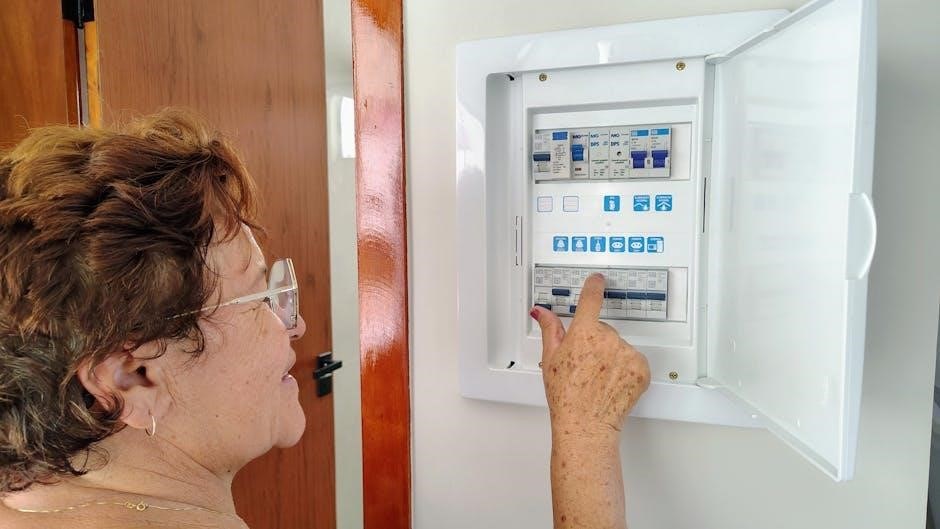
Maintenance and Troubleshooting
Regular cleaning, battery checks (if applicable), and addressing common issues are crucial for maintaining the Kidde i12060A’s reliability and optimal performance.
Regular Cleaning Procedures
To ensure your Kidde i12060A smoke alarm functions correctly, periodic cleaning is essential. Dust, dirt, and insects can accumulate over time, potentially interfering with the alarm’s sensitivity. It is recommended to clean the alarm at least every six months, or more frequently in dusty environments.
Begin by disconnecting the alarm from its power source – either by removing the battery or turning off the circuit breaker. Use a vacuum cleaner with a brush attachment to gently vacuum the exterior of the alarm, including the vents. Avoid using water, cleaning solutions, or chemicals, as these can damage the sensor.
For stubborn dirt, a soft, damp cloth may be used, but ensure the alarm is completely dry before restoring power. Never disassemble the alarm for cleaning, as this could compromise its functionality and void the warranty. Consistent cleaning contributes significantly to the longevity and reliability of your Kidde i12060A smoke alarm.
Battery Replacement (if applicable)
The Kidde i12060A smoke alarm may utilize a battery backup to ensure continued operation during power outages. If the alarm begins to chirp intermittently (typically every 30-60 seconds), it indicates a low battery condition requiring immediate attention.
To replace the battery, carefully remove the alarm from its mounting bracket. Locate the battery compartment and open it according to the instructions in the user manual. Remove the old battery and install a new one of the correct type – typically a 9-volt battery. Ensure proper polarity alignment (+ and -).
Test the alarm after battery replacement to confirm it is functioning correctly. It’s recommended to replace the battery at least once a year, even if the alarm hasn’t chirped, as a preventative measure. Dispose of the old battery responsibly, following local regulations.
Troubleshooting Common Issues
If your Kidde i12060A alarm is malfunctioning, several issues could be the cause. Intermittent chirping, beyond the low battery signal, might indicate dust or debris interfering with the sensor; clean the alarm thoroughly.
False alarms can occur due to steam, cooking fumes, or high humidity. Ensure proper ventilation and avoid alarm placement near these sources. If the alarm tests unsuccessfully, verify the battery is new and correctly installed.
For interconnected systems, confirm all alarms are compatible and properly wired. If problems persist, consult the full user manual available at shareddocs.com or contact Kidde’s consumer hotline for assistance.
False Alarm Prevention
To minimize nuisance alarms with your Kidde i12060A, strategic placement is crucial. Avoid installing the alarm near kitchens, bathrooms, or areas with high humidity where steam or cooking fumes are prevalent. Dust and insects can also trigger false alarms; regular cleaning, as outlined in the maintenance section, is essential.
Ensure adequate ventilation in areas prone to steam or fumes. Avoid testing the alarm with open flames, as this can damage the sensor. If interconnected, verify all devices are compatible to prevent cascading false alarms. Refer to the comprehensive user manual at shareddocs.com for detailed guidance.
Safety Information
Prioritize safety by understanding alarm limitations and crucial considerations detailed in the Kidde i12060A manual, ensuring proper installation and operation.
Important Safety Considerations
Crucially, this smoke alarm does not detect carbon monoxide. Always follow all installation instructions precisely, and ensure the device is securely mounted. Regularly test the alarm weekly, and never disable it, as doing so eliminates vital protection.
Be aware that smoke alarms are not a substitute for carefulness in preventing fires. Maintain clear pathways to exits, and develop a family escape plan. Immediately address any unusual alarm behavior, and consult the full user manual for detailed guidance. Do not attempt to repair the alarm yourself; contact Kidde support for assistance. Proper maintenance and understanding of limitations are key to safety.
Remember to consider the needs of all household members, including those with disabilities, when creating your escape plan.
Alarm Limitations
Understand that smoke alarms may not be effective in all fire scenarios. Specifically, they may not detect fires occurring in areas blocked from ventilation, or rapidly spreading fires where smoke doesn’t reach the detector. Additionally, alarms may be less effective if batteries are low or missing, or if the device is improperly installed.
This alarm is not designed to detect smoldering fires, and may be affected by environmental factors like humidity or insects. Regular cleaning and testing are vital to mitigate these limitations. False alarms can occur due to cooking fumes, steam, or dust. Always investigate alarms promptly, but never ignore them completely.
It’s essential to have multiple smoke alarms throughout the home for comprehensive protection, and to remember they are just one component of a fire safety plan.
Carbon Monoxide Detection (if applicable)
Please note the Kidde i12060A is solely a smoke alarm and does not detect carbon monoxide (CO). CO is an odorless, colorless gas that can be fatal. For comprehensive protection, you must install separate carbon monoxide alarms on every level of your home and near sleeping areas.
CO alarms are crucial because CO can be produced by malfunctioning fuel-burning appliances like furnaces, stoves, and fireplaces. Regularly inspect these appliances and ensure proper ventilation. If a CO alarm sounds, evacuate immediately and call emergency services.
Do not rely on a smoke alarm to warn you of CO presence. Always refer to the manufacturer’s instructions for your CO alarm regarding placement, testing, and maintenance.

Technical Specifications
The Kidde i12060A, model number i12060A (P/N 820-0394-EN Rev. G), operates with standard household power and functions within a specified temperature range.
Model Number and Revision (P/N 820-0394-EN Rev. G)
Identifying your Kidde i12060A smoke alarm’s specific model number and revision is crucial for accessing the correct documentation and support resources. This particular model is designated as i12060A, and the part number (P/N) is 820-0394-EN, with a revision code of Rev. G.
This information, typically found on a label affixed to the alarm itself, ensures compatibility when seeking replacement parts, troubleshooting issues, or downloading the appropriate user manual. The revision code indicates the version of the product and its accompanying documentation, guaranteeing you have the most up-to-date information available from Kidde. Referencing this information when contacting Kidde’s consumer hotline or accessing their website (www.kidde.com) will streamline the support process.
Power Requirements
The Kidde i12060A smoke alarm is designed to operate on a standard 120V, 60Hz AC power supply. This hardwired connection provides continuous power, ensuring the alarm remains active even during power outages, thanks to its battery backup system. While primarily powered by AC electricity, the alarm incorporates a battery to maintain functionality when the main power source is interrupted.
It’s essential to use the correct type of battery as specified in the manual for optimal performance and longevity. Regularly testing the alarm confirms both the AC power and battery backup are functioning correctly. Proper power supply is vital for reliable smoke detection and life safety.
Operating Temperature
The Kidde i12060A smoke alarm is engineered to function reliably within a specific temperature range, typically between 40°F (4.4°C) and 100°F (37.8°C). Operating the alarm outside of this range may compromise its accuracy and effectiveness in detecting smoke. Exposure to temperatures exceeding these limits, whether from extreme heat or cold, can potentially damage the internal components and reduce the alarm’s lifespan.
Avoid installing the alarm in locations prone to temperature fluctuations, such as near ovens, fireplaces, or poorly insulated areas. Maintaining a stable operating temperature ensures consistent performance and reliable smoke detection, contributing to overall fire safety.

Resources and Support
For assistance with your Kidde i12060A, contact the Kidde Consumer Hotline or visit www.kidde.com; download the manual at shareddocs.com.
Kidde Consumer Hotline
Need immediate assistance with your Kidde i12060A smoke alarm? The Kidde Consumer Hotline is readily available to provide expert guidance and support. Whether you have questions regarding installation, operation, troubleshooting, or simply require clarification on features, their dedicated team is equipped to help.
While a specific phone number isn’t explicitly provided in the readily available online resources, accessing support through the Kidde website (www.kidde.com) is the recommended first step. The website often provides FAQs, troubleshooting guides, and contact options, including a potential direct line to their consumer support representatives.
Be prepared to have your model number (i12060A) and the revision number (P/N 820-0394-EN Rev. G) readily available when contacting support, as this will help them quickly address your specific concerns. Prompt and efficient assistance is their priority.
Kidde Website (www.kidde.com)
www.kidde.com serves as a comprehensive online resource for all things Kidde, including extensive support for your i12060A smoke alarm. The website is the primary hub for accessing the official user manual, downloadable directly from resources linked on the site. You’ll find detailed information on installation procedures, operational guidelines, and crucial safety considerations.
Beyond the manual, Kidde’s website offers a wealth of supplementary materials, such as frequently asked questions (FAQs), troubleshooting guides, and product registration options. It’s a valuable tool for self-service support, allowing you to resolve common issues independently.
Furthermore, the website provides contact information for the Kidde Consumer Hotline, offering a direct line to expert assistance when needed. Regularly check www.kidde.com for updates and the latest information regarding your smoke alarm.
Downloading the User Manual (shareddocs.com link)
A readily accessible digital copy of the Kidde i12060A user manual is available for download at shareddocs.com. This provides a convenient alternative to a physical copy, ensuring you always have the information you need at your fingertips. The link – https://www.shareddocs.com/hvac/docs/2001/Public/08/User-Guide-Kidde-i12060A-1260-.pdf – directs you to the complete guide in PDF format.
Downloading the manual allows for easy searching of specific topics, such as installation steps, troubleshooting tips, or safety precautions. It’s particularly useful if your original printed manual is misplaced or damaged. The PDF version maintains the original formatting and content, ensuring clarity and accuracy.
Ensure a stable internet connection for a smooth download experience. This digital resource is a vital component of responsible smoke alarm ownership.
No Responses