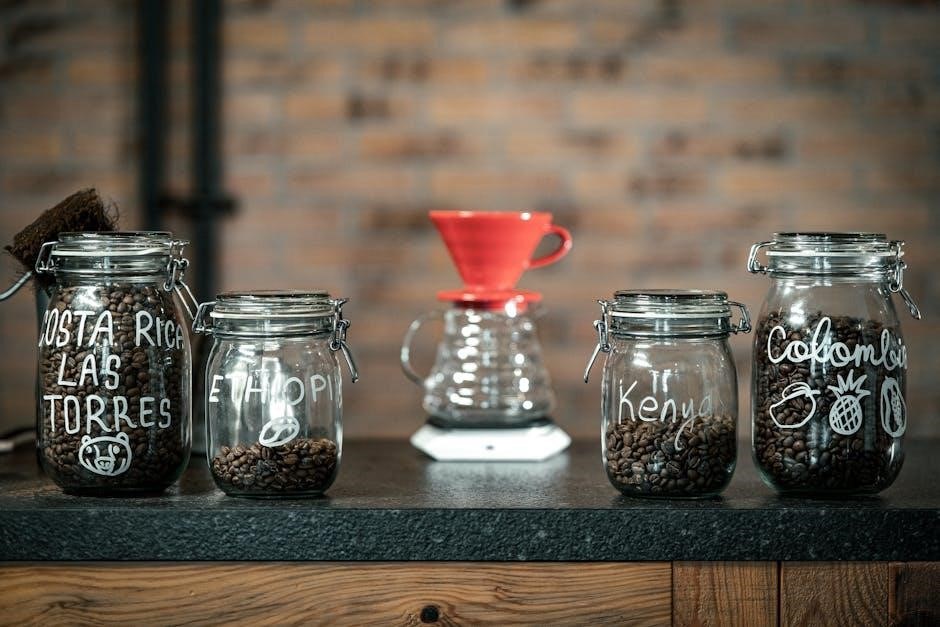
Coffee Guide: A Comprehensive Overview (Updated 04/15/2026)
This guide explores diverse brewing methods – from espresso machines to Turkish coffee – and emphasizes the importance of fresh‚ properly ground beans for optimal flavor.
Coffee‚ a beloved beverage worldwide‚ offers a rich tapestry of flavors and aromas‚ stemming from a complex journey from bean to cup. Understanding this process unlocks a deeper appreciation for your daily brew. The core of exceptional coffee lies in the brewing method employed‚ with options ranging from the convenience of an espresso machine‚ delivering a concentrated shot with a delightful crema‚ to the immersive experience of Turkish coffee‚ known for its strength and frothy texture.
Regardless of the chosen method‚ utilizing freshly ground beans is paramount. A burr grinder is highly recommended for consistent particle size‚ crucial for even extraction. The type of bean – Arabica‚ Robusta‚ or others – significantly impacts the final flavor profile. Experimentation is key to discovering your preferred roast level and brewing technique‚ ultimately crafting a personalized coffee experience. From the simplicity of steeping to the precision of pour-over‚ each method reveals unique nuances within the coffee bean itself.
The History of Coffee
The story of coffee begins in the highlands of Ethiopia‚ with legends tracing its discovery to a goat herder named Kaldi‚ who noticed his goats behaving energetically after consuming the berries. From there‚ coffee cultivation spread to the Arabian Peninsula by the 15th century‚ becoming deeply ingrained in social and religious life. Coffee houses‚ known as “qahveh khaneh‚” emerged as centers of intellectual exchange.
By the 17th century‚ coffee reached Europe‚ initially met with skepticism but quickly gaining popularity. Coffee houses flourished‚ mirroring the Arabian tradition‚ and becoming hubs for political discussion and artistic expression. European colonial powers then established coffee plantations in various parts of the world‚ including the Americas and Asia‚ transforming coffee into a global commodity. Today‚ coffee continues to evolve‚ with ongoing innovations in brewing techniques and a growing appreciation for specialty beans and sustainable practices‚ building upon centuries of rich history.
Coffee Bean Varieties
The world of coffee boasts a diverse range of bean varieties‚ each contributing unique characteristics to the final cup. Arabica‚ accounting for approximately 60% of global production‚ is prized for its aromatic profile‚ balanced acidity‚ and smooth body. It thrives in high-altitude regions with consistent rainfall. Robusta‚ the second most popular‚ offers a bolder‚ more bitter flavor with higher caffeine content and is often used in espresso blends for its crema-enhancing properties.
Less common‚ but equally intriguing‚ are Liberica and Excelsa beans. Liberica presents a smoky‚ woody flavor‚ while Excelsa contributes a tart‚ fruity complexity. These varieties are often blended to create unique flavor profiles. The specific growing conditions – including soil composition‚ climate‚ and altitude – significantly impact the bean’s characteristics‚ resulting in a vast spectrum of flavors and aromas. Understanding these nuances is key to appreciating the art of coffee.
Arabica Beans
Arabica beans are celebrated as the premier choice for coffee connoisseurs‚ representing around 60% of global production. Originating in the highlands of Ethiopia‚ these beans flourish in high-altitude environments with moderate temperatures and ample rainfall. They are known for their complex aroma‚ bright acidity‚ and a generally smoother‚ sweeter flavor profile compared to other varieties.
Arabica beans contain lower caffeine levels‚ making them a preferred option for those sensitive to stimulants. Flavor notes often include chocolate‚ caramel‚ nuts‚ and fruits. The bean’s delicate nature requires careful cultivation and processing. Different Arabica subtypes‚ like Typica and Bourbon‚ exhibit further variations in taste and aroma. Roasters often favor Arabica for single-origin coffees‚ highlighting the unique characteristics of specific growing regions.
Robusta Beans
Robusta beans‚ accounting for roughly 30-40% of global coffee production‚ are known for their bold‚ strong flavor and higher caffeine content – often nearly double that of Arabica. Originally from sub-Saharan Africa‚ Robusta thrives in hotter climates and lower altitudes‚ demonstrating greater resilience to pests and diseases. This hardiness makes them easier and cheaper to cultivate.
The flavor profile of Robusta is often described as having a rubbery or burnt-tire aroma‚ with a bitter‚ chocolatey taste. While sometimes considered less refined than Arabica‚ Robusta beans contribute significantly to espresso blends‚ providing a rich crema and a robust body. They are also frequently used in instant coffee production. Increasingly‚ specialty Robusta beans are gaining recognition for their unique flavor complexities when carefully processed and roasted‚ challenging traditional perceptions.
Liberica and Excelsa Beans
Liberica and Excelsa beans represent a small fraction of the global coffee market‚ offering distinctly unique flavor profiles; Liberica‚ originating from Liberia‚ West Africa‚ is known for its smoky‚ woody‚ and floral aroma‚ often described as having a bold and unconventional taste. Its flavor can be quite polarizing‚ with some appreciating its complexity and others finding it overpowering.
Excelsa‚ once considered a separate species‚ is now classified as a variety of Liberica. It grows primarily in Southeast Asia and exhibits a tart‚ fruity body with dark‚ roasted notes. Excelsa adds a unique tanginess and complexity to blends. Both Liberica and Excelsa are prized for their resilience and ability to thrive in challenging growing conditions. They are often used to add depth and character to blends‚ offering a departure from the more common Arabica and Robusta profiles.
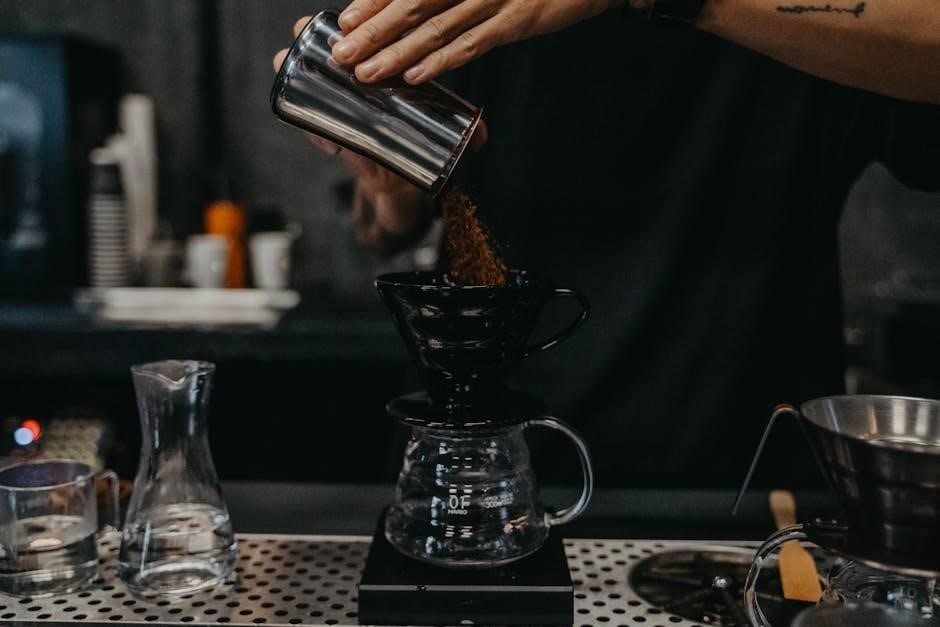
Coffee Roasting Process
Roasting transforms green coffee beans‚ developing their aroma‚ flavor‚ and color. Different roast levels—light‚ medium‚ and dark—impact the final cup’s characteristics significantly.
Understanding Roast Levels
Coffee roast levels dramatically influence the final flavor profile of your brew. Understanding these nuances allows you to select beans tailored to your preferences. Generally‚ roasts are categorized into light‚ medium‚ and dark‚ each exhibiting distinct characteristics.
Light roasts retain more of the bean’s original flavor‚ showcasing brighter acidity and delicate aromas. They possess a lighter body and are often preferred for single-origin coffees where highlighting unique characteristics is desired.
Medium roasts strike a balance between acidity‚ body‚ and aroma. They offer a more rounded flavor profile‚ making them versatile for various brewing methods. These are often the most popular choice for everyday drinking.
Dark roasts develop bolder‚ more intense flavors with reduced acidity. They often exhibit notes of chocolate‚ caramel‚ or even smokiness. Dark roasts are frequently used for espresso‚ creating a rich crema and robust taste. The extended roasting time impacts the bean’s oils‚ contributing to a fuller body.
Light Roast Characteristics
Light roast coffees are celebrated for their vibrant acidity and complex flavor profiles‚ offering a nuanced experience for the discerning palate. These beans‚ roasted for a shorter duration‚ retain a higher percentage of their original characteristics‚ resulting in a brighter‚ more floral‚ or fruity cup. The body tends to be lighter‚ creating a cleaner mouthfeel.
Expect to detect delicate aromas and subtle sweetness‚ often reminiscent of citrus fruits‚ berries‚ or even tea. Light roasts showcase the unique terroir of the coffee bean’s origin‚ making them ideal for exploring single-origin varieties.
Because of their higher acidity‚ light roasts can sometimes be perceived as slightly tart. They are often favored by those who appreciate a more delicate and refreshing coffee experience‚ and are excellent for pour-over brewing methods to fully express their complexities. They contain the highest caffeine content.
Medium Roast Characteristics
Medium roast coffees strike a harmonious balance between acidity‚ body‚ and flavor‚ making them a versatile choice for a wide range of palates. Roasted longer than light roasts‚ they develop a richer‚ more rounded flavor profile while still retaining some of the bean’s original characteristics. The acidity is noticeably milder‚ offering a smoother‚ more approachable cup.
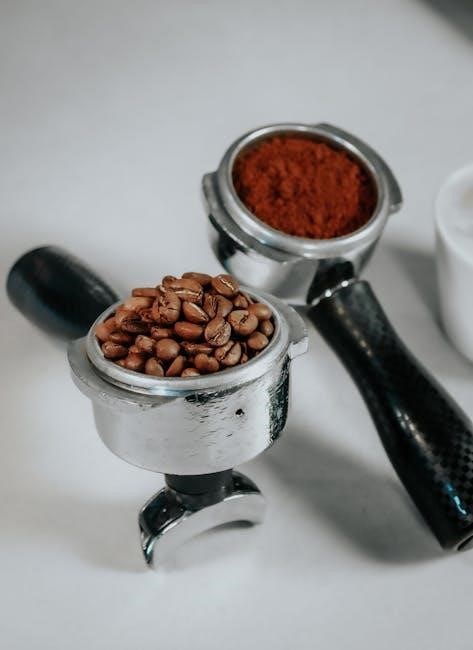
Expect to find notes of caramel‚ chocolate‚ or nuts‚ alongside a pleasant sweetness. The body is medium‚ providing a satisfying mouthfeel without being overly heavy. Medium roasts are incredibly adaptable and perform well with various brewing methods‚ including drip‚ pour-over‚ and even espresso.
They represent a sweet spot for many coffee drinkers‚ offering a flavorful and balanced experience. These beans are often used as a base for blends‚ providing a solid foundation for more complex flavor combinations‚ and are a popular choice for everyday enjoyment.
Dark Roast Characteristics
Dark roast coffees are defined by their bold‚ intense flavors and reduced acidity. Roasted for the longest duration‚ these beans develop a pronounced smoky or bittersweet character‚ often with notes of dark chocolate‚ molasses‚ or even burnt sugar. The original flavors of the bean are largely overshadowed by the roasting process itself‚ resulting in a more uniform taste profile.
The body is typically full and heavy‚ creating a robust mouthfeel. While the acidity is significantly diminished‚ a pleasant lingering finish is common. Dark roasts are frequently favored for espresso due to their ability to produce a thick crema and cut through milk in lattes and cappuccinos.
However‚ they can also be enjoyed as a strong‚ flavorful brewed coffee. It’s important to note that over-roasting can lead to a harsh or ashy taste‚ so quality control is crucial. These roasts are a great choice for those who prefer a powerful and dramatic coffee experience.

Coffee Brewing Methods

Explore various techniques‚ including espresso machines‚ pour-over‚ French press‚ Turkish coffee‚ cold brew‚ and steeping‚ each offering unique flavor profiles and brewing experiences.
Espresso Machine Brewing
Espresso machine brewing utilizes pressurized water forced through finely-ground coffee‚ resulting in a concentrated shot of espresso. Numerous espresso machine types exist‚ but the core principle remains consistent. This method allows for recreating café-quality coffee within the comfort of your home‚ even while still in pajamas!
Typically‚ beans intended for espresso undergo a longer roasting process‚ developing a thicker body and the characteristic crema – that delightful‚ golden-brown foam atop the shot. Achieving optimal results requires precise control over variables like grind size‚ water temperature‚ and pressure.
The quality of the espresso is heavily influenced by the freshness of the beans and the fineness of the grind. Experimentation is key to unlocking the full potential of your espresso machine and crafting the perfect shot tailored to your preferences. It’s a rewarding process for coffee enthusiasts.
Pour-Over Method
The pour-over method is a manual brewing technique celebrated for its control and clarity of flavor. It involves slowly pouring hot water over coffee grounds held within a filter-lined cone‚ allowing the water to extract the coffee’s essence as it drips into a vessel below. This method highlights the nuanced characteristics of the coffee beans.
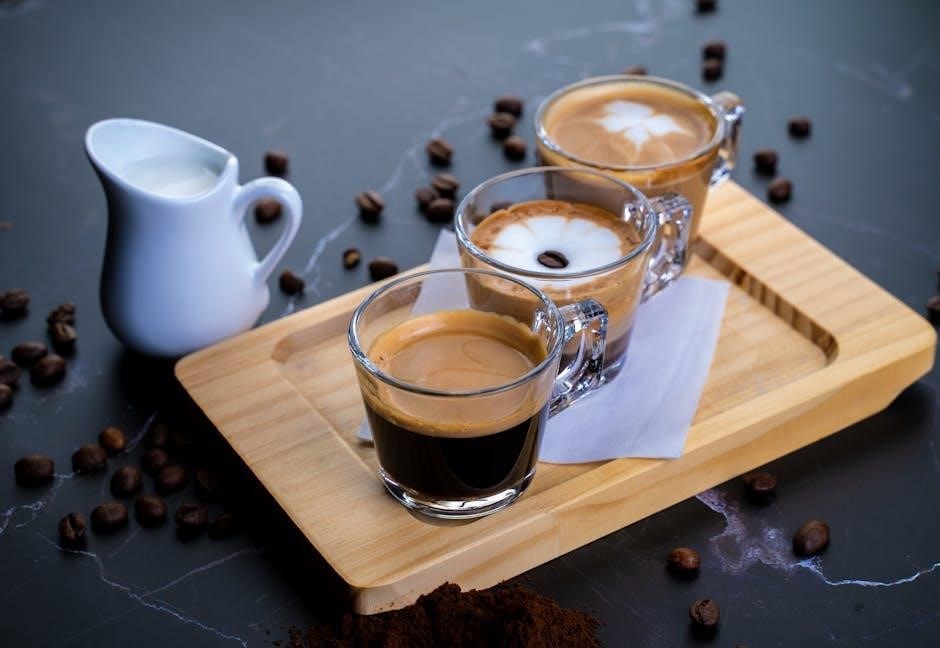
Success with pour-over hinges on several factors: water temperature (ideally between 195-205°F)‚ pour rate‚ and grind size. A medium-fine grind is generally recommended‚ though adjustments may be needed based on the specific beans and filter used. Consistent‚ even saturation of the grounds is crucial for balanced extraction.
Using high-quality‚ whole bean coffee‚ freshly ground with a burr grinder‚ significantly enhances the pour-over experience. It’s a mindful process that rewards patience and attention to detail‚ delivering a clean‚ aromatic cup of coffee.
French Press Brewing
French press brewing‚ also known as cafetière‚ is an immersion method renowned for its full-bodied and sediment-rich coffee. Coarsely ground coffee is steeped in hot water within a cylindrical beaker‚ typically for around four minutes. A mesh filter is then pressed down to separate the grounds from the brewed coffee.
The key to a great French press brew lies in the grind size – a coarse grind prevents grounds from passing through the filter. Water temperature is also vital‚ aiming for around 200°F. The immersion process allows for a more complete extraction of oils and flavors‚ resulting in a heavier mouthfeel.
While offering a robust flavor profile‚ French press coffee can contain some sediment. Using high-quality beans and a consistent brewing process minimizes this. It’s a simple‚ yet effective method‚ perfect for those who appreciate a bold and flavorful cup.
Turkish Coffee Brewing
Turkish coffee is a traditional Middle Eastern brewing method celebrated for its strong‚ flavorful‚ and frothy result. It utilizes very finely ground coffee‚ almost powder-like‚ brewed in a special pot called a cezve (or ibrik). This small‚ long-handled pot is crucial to the process.
The brewing involves combining finely powdered coffee grounds with water and‚ optionally‚ sugar directly in the cezve. The mixture is slowly heated‚ brought to a near boil‚ and allowed to froth repeatedly. This process is repeated several times‚ creating a thick‚ rich brew with a distinctive foam on top.

Traditionally‚ Turkish coffee is served unfiltered‚ allowing the grounds to settle at the bottom of the cup. It’s a social ritual‚ often enjoyed in small servings‚ and the grounds are sometimes used for fortune-telling. The resulting coffee is intensely flavorful and aromatic.
Cold Brew Coffee
Cold brew coffee is a remarkably smooth and less acidic coffee concentrate created through an extended steeping process. Unlike iced coffee‚ which is simply hot coffee cooled down‚ cold brew involves immersing coarsely ground coffee in cold or room temperature water for a prolonged period – typically 12 to 24 hours.
This slow extraction method results in a concentrate that’s naturally sweeter and lower in acidity compared to traditionally brewed coffee. The extended steeping allows for a fuller extraction of flavors‚ minimizing the bitter compounds often found in hot brewing.
The resulting concentrate is then filtered and diluted with water or milk to your desired strength. Cold brew is incredibly versatile‚ perfect for enjoying straight‚ over ice‚ or as a base for coffee cocktails. It’s a fantastic option for those sensitive to acidity or seeking a mellow coffee experience.
Steeping Method
The steeping method‚ a foundational technique in coffee brewing‚ relies on prolonged immersion of coffee grounds in water to extract flavor. This process‚ similar in principle to cold brew‚ allows for a gentle and thorough extraction‚ resulting in a full-bodied and flavorful cup. Unlike rapid brewing methods‚ steeping prioritizes patience and controlled interaction between water and coffee.
This technique isn’t limited to cold water; hot water steeping is common in methods like French press. The key is allowing sufficient contact time for the water to dissolve desirable compounds from the grounds. Steeping allows you to extract plenty of flavor and caffeine‚ offering a rich and aromatic experience.
The resulting brew often exhibits a heavier body and nuanced flavor profile‚ making it a preferred choice for those who appreciate a more substantial coffee experience. Experimenting with steep times and coffee-to-water ratios unlocks a world of flavor possibilities.
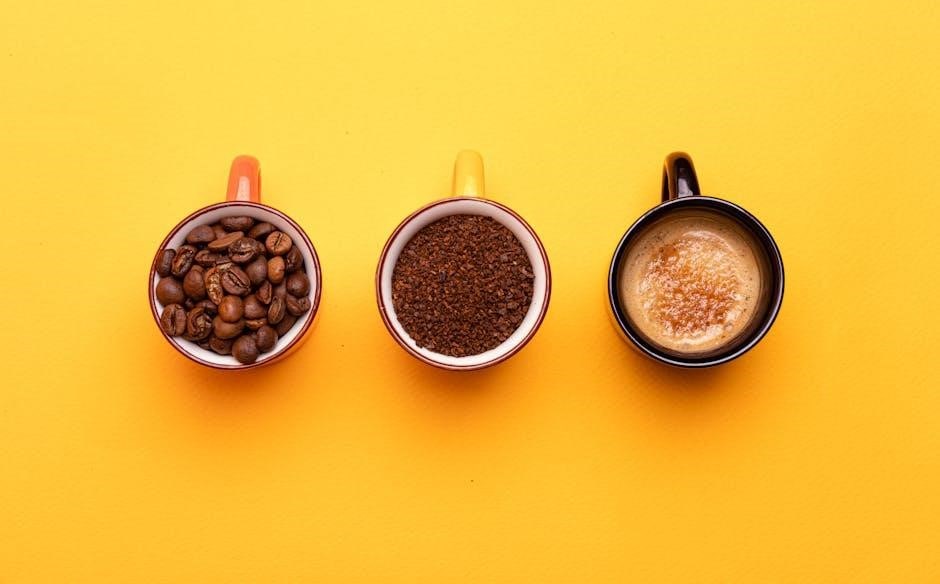
Grinding Coffee
Freshly ground beans are crucial for optimal flavor. Burr grinders offer consistent particle size‚ while blade grinders produce uneven results. Grind size impacts extraction quality significantly.
Burr Grinders vs. Blade Grinders
When it comes to grinding coffee‚ the choice between a burr grinder and a blade grinder is significant‚ directly impacting the final cup’s quality. Blade grinders‚ often more affordable‚ operate much like a spice grinder‚ using a spinning blade to chop the beans. This method creates an inconsistent grind size – a mix of fine particles and larger chunks – leading to uneven extraction during brewing.
Burr grinders‚ conversely‚ utilize two revolving abrasive surfaces (burrs) to crush the beans between them. This process yields a remarkably consistent grind size‚ ensuring a more even extraction and a cleaner‚ more flavorful brew. The consistency allows for better control over the brewing process‚ unlocking the full potential of the coffee beans.
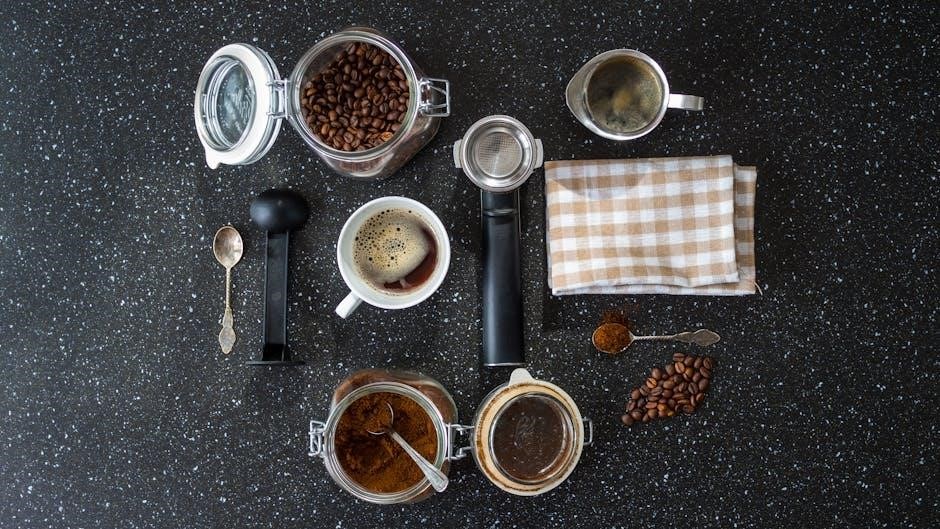
While the initial investment is higher‚ a burr grinder is widely considered essential for serious coffee enthusiasts seeking to elevate their home brewing experience. The difference in grind quality translates directly into a noticeably superior cup of coffee‚ making it a worthwhile upgrade.
Grind Size for Different Methods
Achieving the perfect grind size is crucial for optimal coffee extraction‚ varying significantly depending on the brewing method employed. For espresso machines‚ a very fine grind – resembling powdered sugar – is essential to create the necessary resistance for pressurized brewing‚ resulting in a concentrated shot with crema.
Pour-over methods demand a medium-fine grind‚ similar to table salt‚ allowing for a balanced extraction without over-extraction or under-extraction. French presses require a coarse grind‚ akin to sea salt‚ preventing grounds from passing through the mesh filter and creating a full-bodied brew.
Turkish coffee necessitates an extremely fine‚ almost flour-like grind‚ enabling the grounds to remain suspended in the water during the unique brewing process. Cold brew benefits from a very coarse grind‚ minimizing sediment and producing a smooth‚ low-acid concentrate. Consulting a grind size guide is recommended for precision.
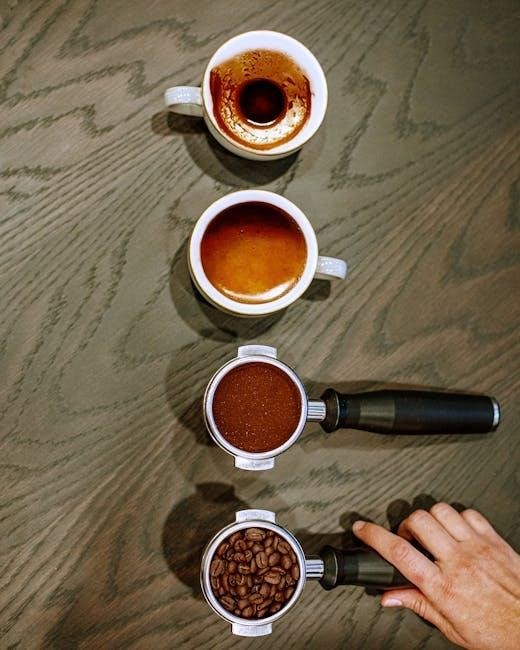
Coffee Flavor Profiles
Coffee’s taste is a complex interplay of acidity‚ body‚ and aroma. Brightness indicates acidity‚ body defines the mouthfeel‚ and fragrance enhances the overall sensory experience.
Acidity and Brightness
Acidity in coffee isn’t about pH levels‚ but rather a pleasant‚ sparkling sensation on the tongue – often described as “brightness.” It’s a crucial component of a coffee’s flavor profile‚ contributing to its complexity and vibrancy. Higher-grown Arabica beans generally exhibit more pronounced acidity due to slower maturation‚ allowing for greater development of these flavorful acids.
This brightness can manifest in various ways‚ ranging from citric (lemon‚ orange) to malic (apple‚ pear) to tartaric (grape). A well-balanced acidity elevates the other flavors‚ preventing the coffee from tasting flat or dull. Conversely‚ a lack of acidity can result in a muted‚ lifeless cup. Roasting plays a significant role; lighter roasts tend to retain more acidity‚ while darker roasts diminish it. Understanding and appreciating acidity is key to discerning quality and enjoying the nuanced flavors coffee offers. It’s a desirable characteristic‚ not a flaw!
Body and Mouthfeel
Body‚ or mouthfeel‚ refers to the tactile sensation of coffee in your mouth – its weight and texture. It’s how the coffee feels rather than tastes‚ ranging from light and delicate to full and syrupy. Factors influencing body include bean density‚ processing method‚ roast level‚ and brewing technique. Denser beans‚ like those from Sumatra‚ often produce a heavier body.
Mouthfeel descriptors include thin‚ light‚ medium‚ full‚ and heavy. A “silky” or “smooth” mouthfeel is generally considered desirable‚ indicating a well-extracted and balanced coffee. Oil content also contributes to body; darker roasts have more oils‚ resulting in a fuller mouthfeel. Brewing methods also play a role – French press typically yields a heavier body than pour-over. Ultimately‚ preferred body is subjective‚ but understanding this element enhances your coffee appreciation and allows you to select brews aligning with your palate.
Aroma and Fragrance
Aroma and fragrance are crucial components of the coffee experience‚ contributing significantly to perceived flavor. Fragrance refers to the scent of dry‚ ground coffee‚ while aroma describes the scent released during brewing. These volatile compounds offer clues about the coffee’s origin‚ processing‚ and potential taste profile. Descriptors range widely‚ including floral‚ fruity‚ chocolatey‚ nutty‚ spicy‚ and caramel-like.
Evaluating aroma involves a conscious effort to identify these nuances. A complex aroma suggests a high-quality coffee. The aroma intensifies as hot water interacts with the grounds‚ releasing more volatile compounds. Skilled coffee tasters (cuppers) use specific techniques to assess aroma accurately. A pleasing aroma often foreshadows a delicious cup‚ enhancing the overall sensory experience. Recognizing and appreciating these scents elevates coffee enjoyment beyond just taste‚ creating a more immersive and satisfying ritual.
No Responses